
Free guides for family caregivers
Practical, research-backed reference guides for families managing the administrative side of care: hospital transitions, home health, appointments, referrals, insurance, and keeping everyone aligned.
Every guide includes external citations and sources you can verify. Averyn Care is non-clinical: we support coordination and follow-through, and providers make medical decisions.
Getting started with care coordination
Start here if you're new to organizing care logistics for a loved one — what's involved, what a navigator does, and where the work actually lives.

Care coordination for aging parents: what it means, when families need it, what the data shows about system gaps, and how to get started.

Eldercare coordination in the U.S. — government programs, community resources, and private-pay options to help families decide what they need.
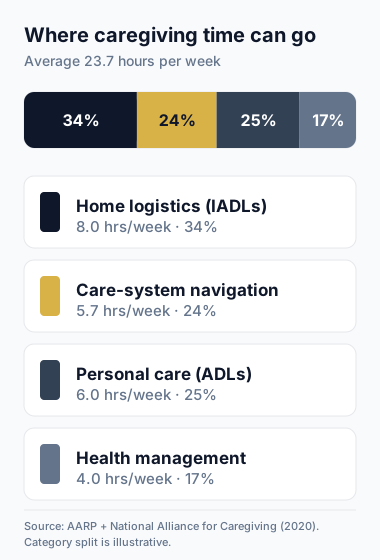
Caregivers spend ~27 hours/week on average. Here's where the time goes-and how to cut the phone tag, portal chaos, and paperwork.

What a care navigator actually does, explained for the person receiving care — scheduling, records, follow-ups, and keeping things organized (non-clin…
Hospital stays & care transitions
Navigating a hospital discharge, choosing between rehab and home health, dealing with provider changes, and making sure records follow your parent home.

When a loved one comes home from a hospital, SNF, or rehab with new caregivers and medications — the transition plan either holds or collapses.

Home health delivers clinical visits — not insurance disputes, specialist coordination, or caregiver logistics. Here's what fills the gap.

Hospital discharge coordination for families: administrative follow-through during and after a stay — tasks, appointments, and paperwork.

How to organize medical records before you need them: consolidation, access, proxy setup, and emergency preparedness — non-clinical coordination.

SNF vs. home health after a hospital stay: Medicare rules, costs, the 3-day rule, caregiver burden, and what families should ask before deciding.

Home health providers often arrive with only a discharge note — no medical history, no treatment context. What's missing and how to advocate.

How to transition to a new primary care doctor — records transfer, referral continuity, and making sure your new provider has the full picture.

Your long-time doctor retired. Here's how to transfer records, establish with a new provider, and avoid the common trap of quietly deferring care.
Day-to-day logistics
The ongoing coordination that keeps things stable — appointments, referrals, portals, aides, and the daily rhythm of care at home.

Meals, transportation, home services, supplies — the everyday logistics that make care workable. How to coordinate the non-clinical admin side.

A guide to healthcare patient portals — what they do, the multi-portal problem, proxy access for caregivers, and tips for managing logins.

Hiring a home aide is step one. Keeping the plan running through turnover, schedule changes, and handoffs is the part nobody prepares for.

Why families keeping a loved one at home need a daily operating playbook — caregiver handoffs, medication timing, and callback routines.

When a loved one sees multiple specialists, families become the default coordinator. Where the system breaks down and how to manage it.

Why scheduling is the easy part. Research on wait times, referral completion, and the real coordination work before, during, and after each visit.

Only 1 in 3 specialist referrals results in a completed appointment. Why referrals get lost and what families can do to prevent it.

How to request medical records for yourself or a loved one — legal timelines, allowed formats, common denials, and what to prepare.

Health information exchanges promise connected records, but coverage is uneven. What HIEs share, what they miss, and what it means for families.
Family, caregivers & long-distance
Keeping everyone aligned, managing caregiver burnout, coordinating across siblings, and handling care from out of state.
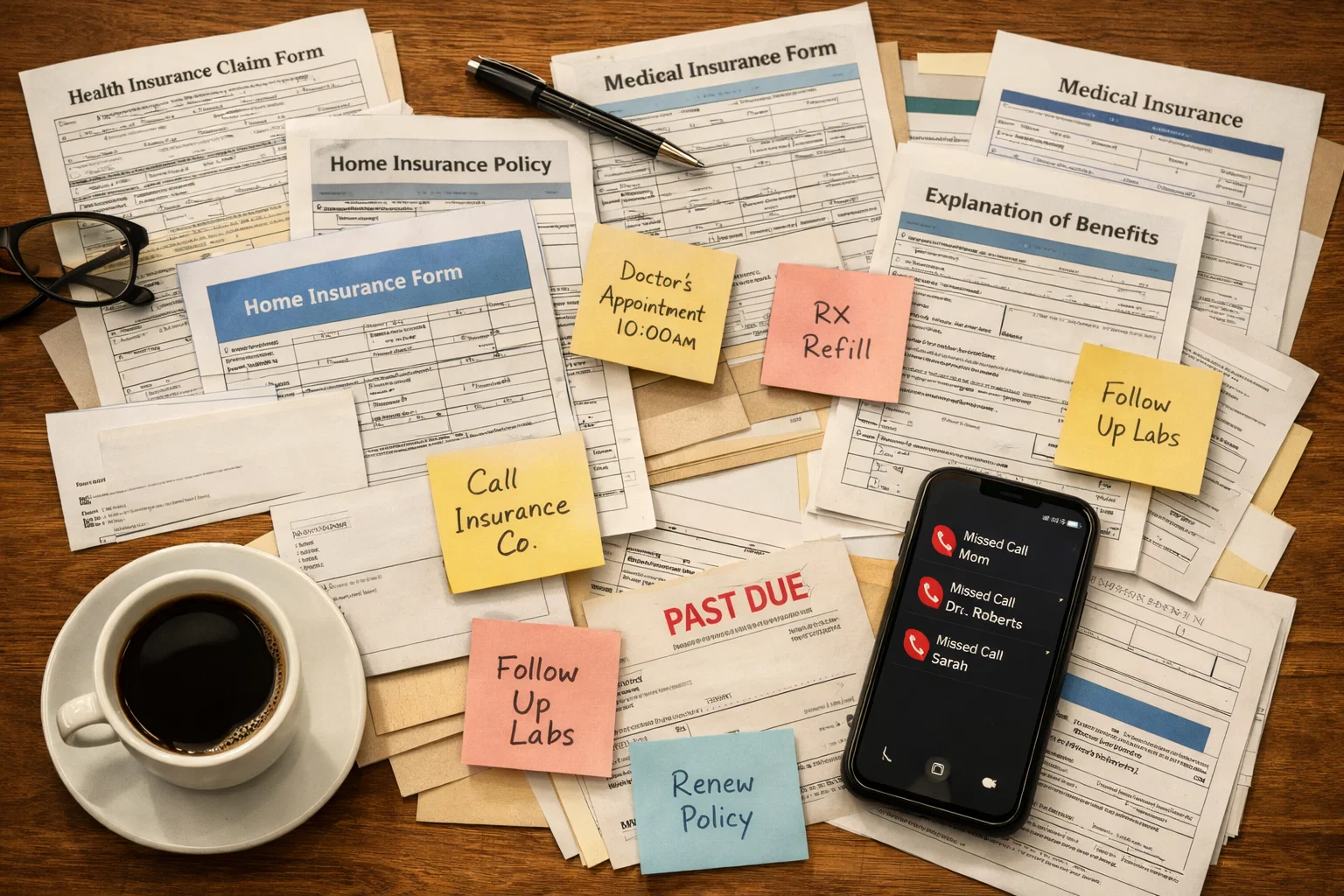
The administrative side of caregiver burnout — phone calls, portals, insurance, and scheduling that drain energy before hands-on care begins.

Caregiving family communication fractures under logistics weight. Why it breaks down and what structured approaches actually help.

Administrative coordination for families managing a parent's care from far away: appointments, portals, follow-ups, and family updates.

How to manage a parent's care from out of state — coordination strategies, remote options, and support for long-distance caregivers.
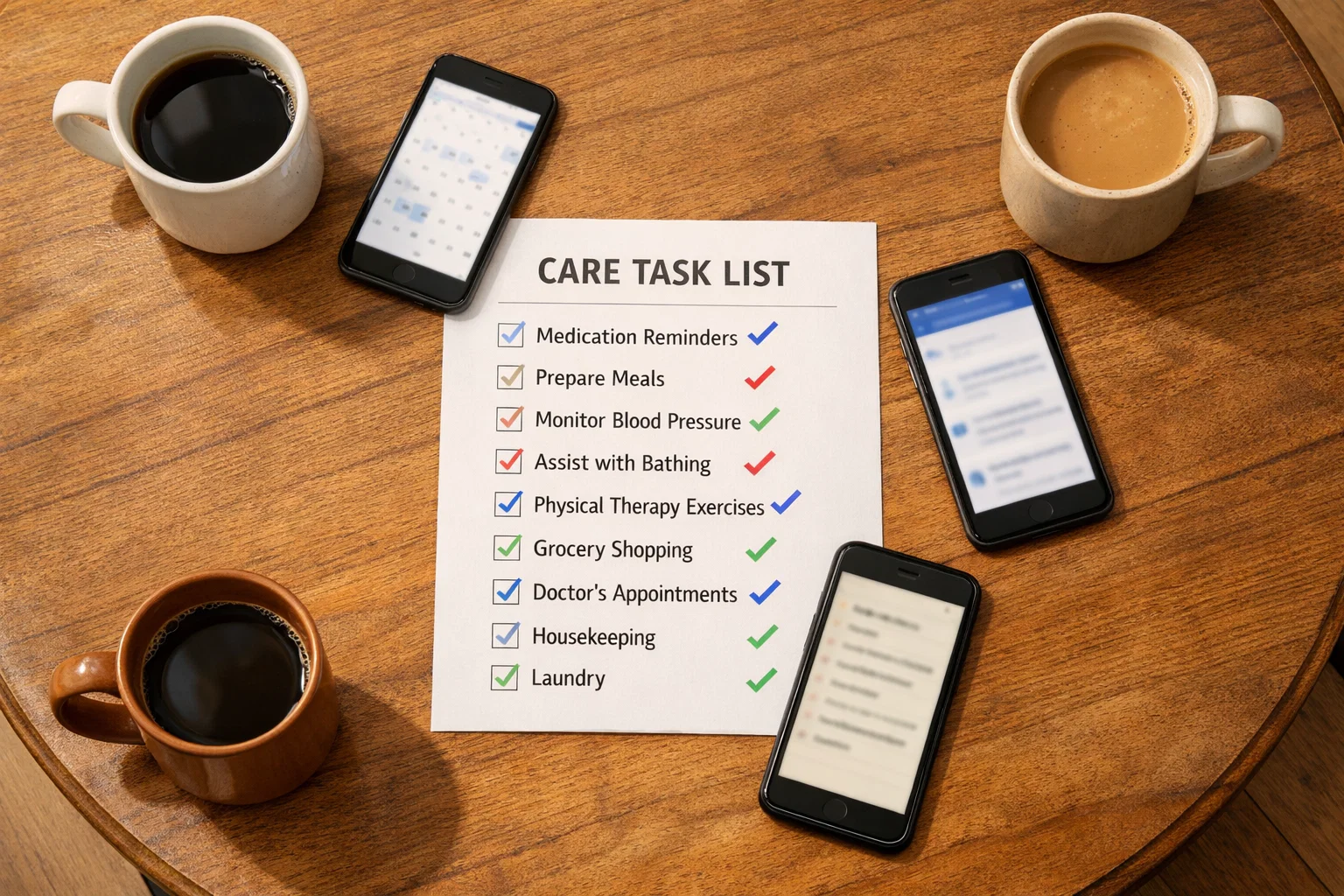
How to coordinate caregiving responsibilities among siblings — communication frameworks, role clarity, and structured updates for families sharing the…
Comparing options & costs
Understanding care roles, service comparisons, insurance coverage, and the real costs of different care settings.

Coordination support for older adults managing care at home without family nearby — scheduling, records, emergency planning, and follow-through.
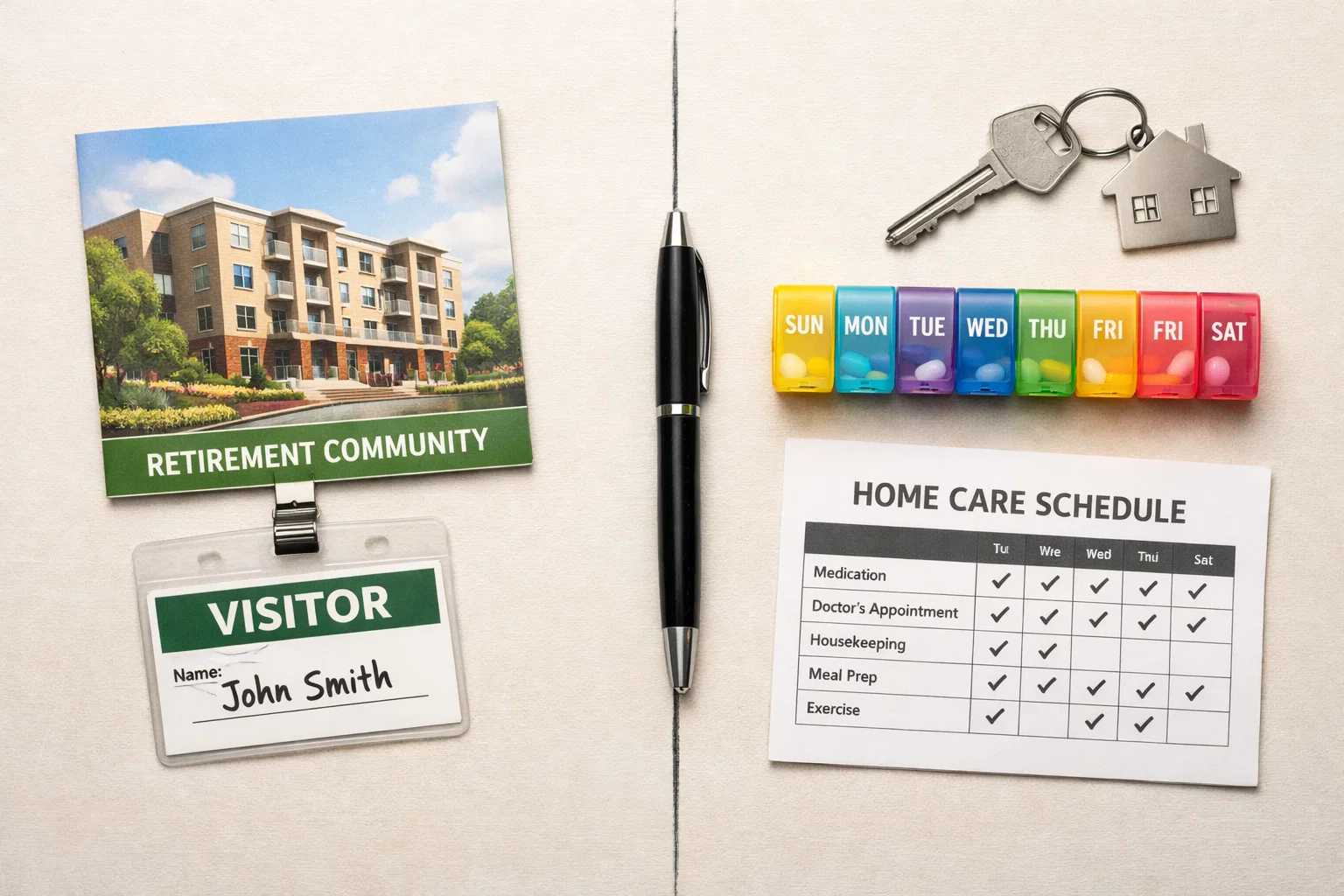
Assisted living vs. aging at home: a realistic cost comparison with national medians, household budgets, and what makes the home plan work.

Care manager, elder care coordinator, care navigator — the titles overlap. What each role does, when you need one, and how to choose.

Concierge services for seniors — personal errands, concierge medicine, and care coordination. What each covers, typical costs, and remaining gaps.

Considering hospice care at home vs facility: what hospice covers, what families still manage, and how to assess home readiness.

Looking for geriatric care management? Learn how Averyn Care differs: non-clinical administrative coordination, follow-through, and family alignment.

Medicare and benefits review support for families: organize coverage questions, paperwork, and administrative next steps — non-clinical.

Medicare CCM vs. Averyn Care: CCM supports clinical coordination within a practice; Averyn handles family-directed administrative follow-through.

The true costs of keeping a loved one at home vs. facility care — aide wages, hidden expenses, coordination time, and when home stops being cheaper.
Care management & program coordination
Guides for discharge planners & independent caregivers
We also publish research-backed guides for the professionals who refer families to coordination services. Free tools, referral sheets, and partner programs.
Looking for local resources? Browse our service area directory for state and metro-specific starting points.
Aging on your own, without a nearby proxy? Start with solo aging, our guide to getting organized and naming who steps in later.
Start with a short conversation
You don't need everything organized before you reach out. We start by understanding what you're managing and whether Averyn Care is the right fit for your family.